Example Article for Broadwater County Extension Agent
Grant Writing 101
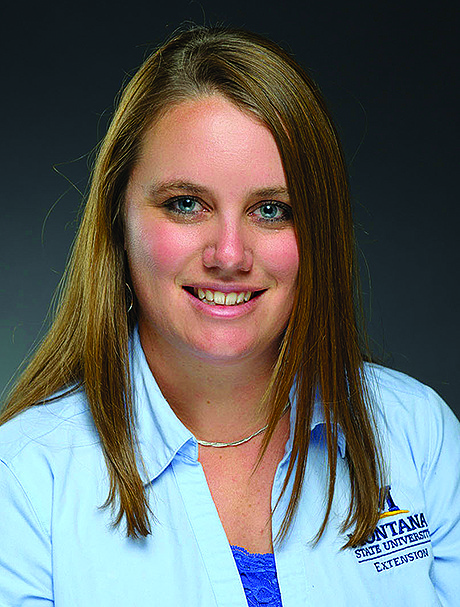 | Author:
Allison Kosto
MSU Broadwater County Extension Agent |
Grant Writing 101
Allison Kosto
A couple of weeks ago, I wrote an article with potential sources of funding for agricultural businesses. Looking for funding sources can be time-consuming, but the real work begins when you have selected a funding agency. Grants are often highly competitive so attention to detail and taking the time for a well thought out grant application is critical. I’ve written quite a few types of grants and had some success over the years. Here are a few of my top tips for writing grants.
Before you do anything, read the funder's grant guidelines. This is often called the “request for proposal” (RFP). Some funders may even request a pre-proposal, which is a much shorter application to evaluate if your proposed project fits their funding criteria. Some RFPs are cumbersome and lengthy, but understanding the organization’s goals, criteria, deadlines and requirements is critical. One piece missing from your application may be enough to drop you from the pool of applicants.
Next, start to put together the application. I recommend beginning with your project’s goals and objectives. If your goals do not match those of the funders, then it may not be worth the time and effort to put in a grant. When I’m writing grants, I’m very strategic in utilizing similar language that is in the RFP so that it is easy for grant reviewers to see that the project aligns with their organization or agency.
Another important component of the grant application is defining the need. Funders want to know why the project matters and how it will make a difference in the community or your business. They want to know if they provide funding for the project, that it would be put to good use and isn’t filling an unnecessary need. Keep it simple but utilize data or stories to illustrate the need.
Next, define measurable outcomes of your project. For example, saying that a livestock water development project will increase pasture utilization by 20% is more measurable than simply saying “cows will use the pasture better.” However, make sure that the outcome is truly attainable and something you can actually measure, because if your grant application is successful, then you’ll likely need to do a report at the end to report if you met your project goals and anticipated outcomes.
The budget is another vital component of a grant application. Funders want a big picture of how much the project will cost. Be specific. If you are asking for $20,000 then break it down by how much each part of the project will cost. Be realistic but give yourself a little flexibility due to rising costs. Some grants, especially government grants, can take a while to process and results in costs increasing during this period. Also, don’t forget to consider labor as part of your budget. Don’t inflate your costs too much though, because that can be a big red flag for grant reviewers.
After you get a draft of your grant application done, ask someone to review it. I’d suggest asking someone who is familiar with your proposed project in addition to someone who is not. They will view the application through different points of view and provide excellent feedback, including project components that might be missing areas that are difficult to understand. Proofreading boosts professionalism and makes it clear to the funder that you are taking the application seriously.
Before you submit anything, reread the RFP one last time. Did you forget anything? Some grant applications will even ask for videos or supplemental materials such as tax returns, organizational officers or copies of deeds. Give yourself plenty of time to collect the materials that you need. A late grant application is almost certain not to be accepted.
Writing grants takes time and attention to detail. If you find this process overwhelming or lack the time to make it happen, there are professionals who can help with the process. In some cases, nonprofits can help you write grants if they fit within their organizational mission. An example of that is Montana Business Assistance Connection, our area economic development organization and Food & Ag Development Center, can sometimes help with grants that are business related. There are also for-profit organizations that write grants professionally. Some charge a flat or hourly rate for their time, while others may charge a percentage of the grant.
Grant writing classes are also offered periodically through various organizations and are a great way to learn more about the process if you are going to be writing multiple grants. While I’m not a professional grant writer, I’m also happy to help with proofreading or providing guidance on the grant process. Contact MSU Extension in Broadwater County at 406-266-9242 or allison.kosto@montana.edu.


