Why some Montana ranchers still want mandatory country-of-origin labels
 | Author:
Zeke Loyd, Montana Free Press
Zeke Lloyd, Montana Free Press |
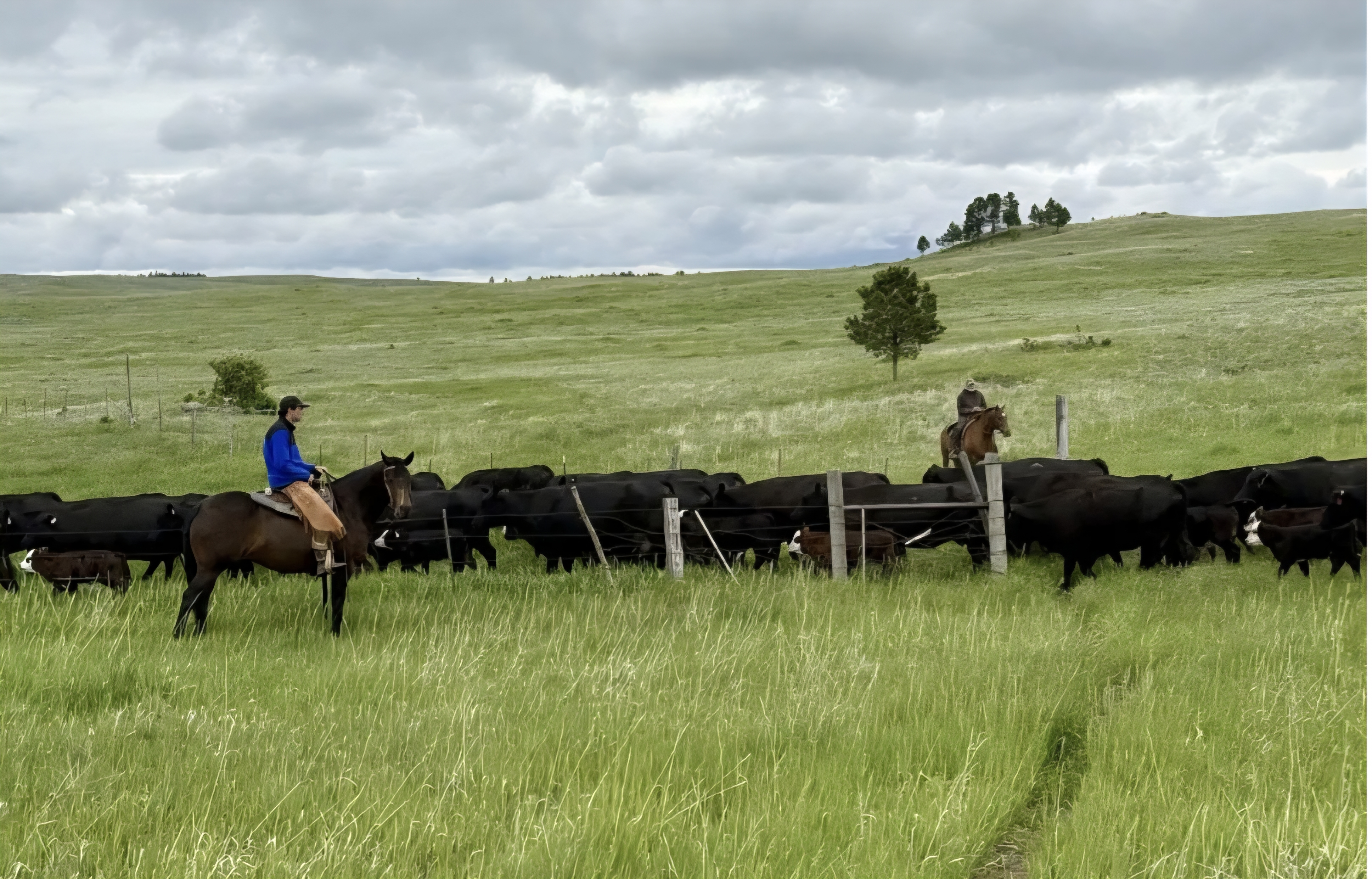
Article Published: // Volume: Edition: Jeanie Alderson, who ranches in the southeastern Montana town of Birney, can tell you exactly how much she sold her cattle for in the fall of 2015. And she knows how much the going price dropped the next year, too, when revenue at her family operation dipped by about $120,000.
“A lot of money for a little ranch like ours,” Alderson said.
In December 2015, after Alderson sent that year’s cattle to market, Congress repealed mandatory country of origin labeling for fresh beef and pork, allowing voluntary labeling to take the policy’s place. The federal law had required that retail products carry a label indicating where the meat had lived and been slaughtered.
Alderson blames the end of mandatory country of origin labeling for the decreased revenue. She says a return to mandatory labeling would boost the bottom line for domestic ranchers like her. Grocery shoppers, she says, will pay a premium for American beef if it shares a shelf with packaged meat that’s labeled as originating from other countries.
Alderson, who previously served on the board of the Montana-based pro-farmer and pro-rancher nonprofit Northern Plains Resource Council, is working alongside NPRC and a coalition of regional agricultural associations to bring back mandatory country of origin labeling, known as mCOOL. The coalition wants to see Congress make it law once again.
“Consumers deserve to know where their beef comes from, and producers deserve a fair, transparent, honest and competitive market,” Alderson said.
But critics of the policy say the country’s earlier attempt at mandatory country of labeling was a failed experiment. Darrell Peel, an agricultural economist at Oklahoma State University, argued that the policy didn’t benefit either consumers or ranchers. And trying it again, he said, is likely to hurt the pocketbooks of both.
During the roughly seven-year window when the policy was in place, Peel said, American consumers didn’t appear to care enough about the source of their beef and pork to pay more.
And the tracking, segregating and labeling of those products necessitated by mandatory labeling translated into billions of dollars in additional cost for the beef and pork industries, according to a study commissioned by the USDA in the 2010s.
That’s because turning cattle and pork into meat is not a straightforward process. When meatpacking facilities process cattle into ground beef, for instance, animal inputs are often unceremoniously mixed together. So mandatory country of origin labeling requires processing facilities to track which parts of which cattle end up in which packages.
“You bring in a banana. You can follow a banana. It stays a banana,” Peel said. “You bring in cattle and you’re going to take them apart into thousands and thousands of different products.”
According to the USDA-commissioned report, country of origin labeling didn’t entice consumers to pay more. It only added to the cost of producing beef and pork.
Peel said a return to mandatory country of origin labeling would recreate that same dynamic.
“It’ll mean higher prices for consumers and reduced cattle prices for producers,” Peel said.
Peel, who grew up south of Flathead Lake and attended Montana State University, said current mCOOL advocates are “a small, vocal minority” within the industry, and concentrated in Montana, Wyoming and the Dakotas. “It’s a cultural thing,” Peel said.
“Most of their arguments are either wrong or have no basis in evidence,” Peel said.
Canada and Mexico made a similar argument against mCOOL in 2008, when they challenged the U.S. policy via the World Trade Organization. The countries claimed that mandatory country of origin labeling unfairly discriminated against their cattle. That argument prevailed, and Congress repealed the law for beef and pork in 2015. Other foods, including poultry, fish, and fruits, still require country of origin labeling. Not much changed after that until January, when the USDA required that animals be born, raised, slaughtered and processed in the United States to receive a “Product of the U.S.A.” label.
If the U.S. were to reinstate mandatory country of origin labeling to beef and pork today, it might have more success weathering challenges from the United States’ neighbors, according to some trade experts.
Brigitta Miranda-Freer, executive director of the Montana World Trade Center at the University of Montana, said the international trade environment has shifted since the country’s last implementation of mCOOL.
“The [World Trade Organization] is less politically influential than it was a decade ago,” Miranda-Freer wrote in an email to MTFP last week. “The United States has become more willing to take trade actions that stretch or even conflict with WTO rulings, particularly under the Trump Administration.”
Peel disagrees, saying the WTO would strike down mandatory labeling yet again.
“Nothing’s changed. I don’t see why it wouldn’t,” Peel said.
Despite the policy’s economic and international obstacles, Peel acknowledged that its advocates have pushed hard over the last several decades to keep the conversation alive.
“We’ve been messing with COOL now for over 20 years,” Peel said. “I’m going to finish my life and die with it still being an issue.”
That appears true for former Montana U.S. Sen. Jon Tester, too. Tester pushed for mCOOL during his tenure in the Montana Legislature in the early 2000s, and did the same in Congress until Montanans voted him out in 2024. Even as a layman, he continues to advocate for it.
Two current members of Montana’s federal delegation — U.S. Sen. Tim Sheehy and U.S. Rep. Ryan Zinke — told MTFP last week they endorse the policy as well. Zinke co-sponsored legislation to reinstate mandatory country of origin labeling in 2025, but the policy stalled in the legislative process. U.S. Rep. Troy Downing did not respond to questions emailed by MTFP, and a spokesperson for U.S. Sen. Steve Daines did not directly address inquiries about his position.
But Alderson hasn’t given up. The new USDA restrictions around voluntary country of origin labeling aren’t generating the results she wants: foreign beef distinguished from American-made products via label, and marked at a higher price. Instead, a lot of retail beef in American grocery stores continues to contain a mix of foreign and domestic cattle, and much of it carries no country of origin labeling at all.
“It felt great, but not enough,” Alderson said of the new USDA restrictions. “And it also felt like we lost some momentum because a lot of people thought, ‘okay, we’re done with that project.’”
Article Images
Click on Image Thumbnail(s) to view fullsize image
PhotoCredit: See Captions
Image 1 Caption: Jeanie Alderson's son, Carson Punt, left, and husband, Terry Punt, herd cattle at their family ranch near Birney in June, 2025. Credit: Courtesy Jeanie Alderson
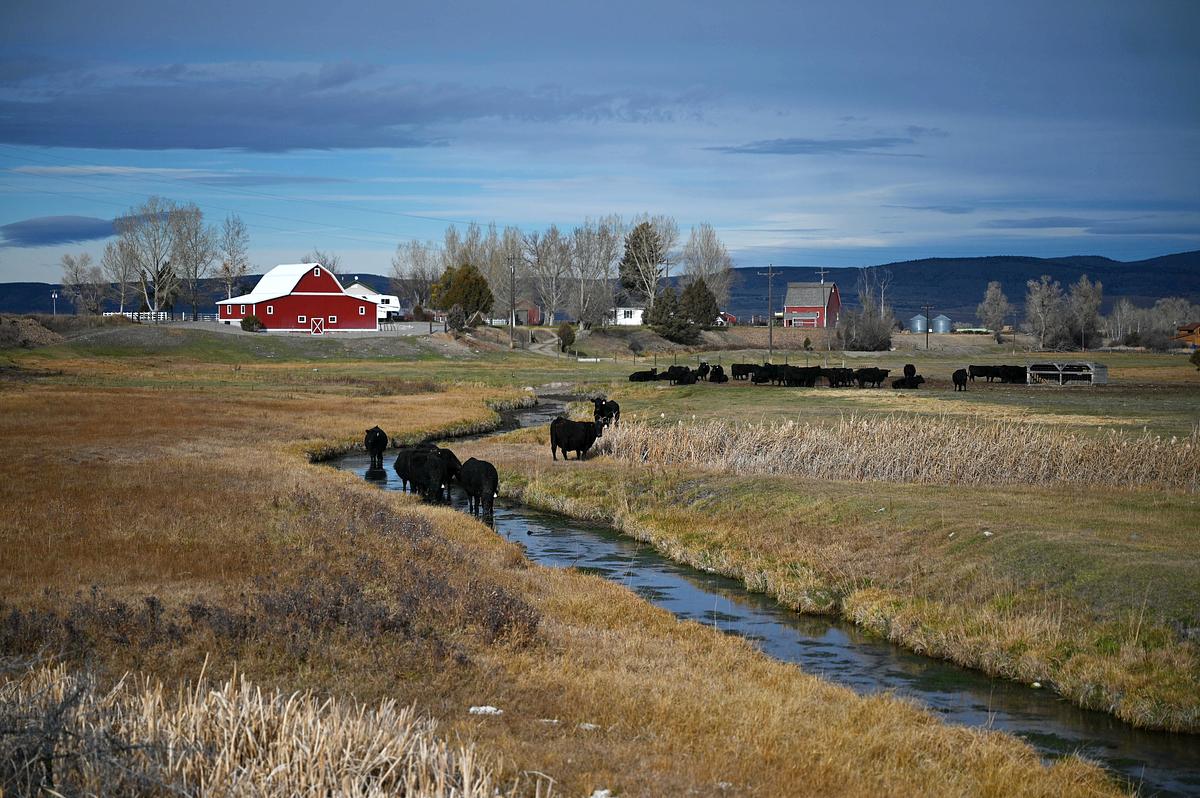
Image 2 Caption: Credit: Lauren Miller, Montana Free Press, CatchLight Local/Report for America
_46.png)



