Guest Editorial: Rural Veterinary Crisis
Author: Wylie Galt, MT Senator District 39 And Randyn Gregg, HD 78 Representative
Article Published: 07/03/2026 Volume: 4 Edition: 52Rural Veterinary Crisis
Veterinarians. No one who owns animals can live without them.
They are an indispensable part of Montana’s rural fabric, a critical part of our livestock industry, and absolutely essential to agriculture, Montana’s most important industry.
According to the Montana Department of Agriculture, agriculture contributes approximately $5.27 billion to Montana’s economy, with livestock and livestock sales serving as major contributors. As those of us who live and work in rural Montana know, the need for good veterinarians is not optional. It is critical.
As a fifth-generation rancher and cow calf producer, and as a full-time farrier and small business owner, we know firsthand just how important veterinarians are to rural Montana. Whether responding to a prolapsed uterus on a cow when temperatures plunge to 10 below zero, or treating a colicking rodeo horse at 3 a.m., these professionals are often the difference between a successful outcome and a devastating loss.
Tragically, rural large animal and mixed animal veterinary practices are becoming increasingly rare. In fact, the shortage has become so acute here at home that 17 counties across Montana have been designated as critically underserved for food animal veterinarians, according to the USDA National Institute of Food and Agriculture.
This should be cause for alarm.
Montana’s cattle population is estimated at roughly 2 to 2.5 million head scattered across the state. Yet this shortage is not confined to Montana. It is a nationwide crisis. In 2025, the USDA designated a record 243 veterinary shortage areas across 46 states, representing nearly 500 counties. Put another way, America has lost approximately 90 percent of its large animal veterinarians since the end of World War II. That is a deeply concerning trajectory.
So what is behind this trend, and is there anything that can be done to stop the bleeding?
The first issue is the mass retirement of rural veterinarians across Montana and the nation. Many of the veterinarians serving our communities began practicing in the 1970s, 1980s, and 1990s. They kept their practices open through deep snow, high water, drought, calving season, and everything in between.
The second part of the equation is that rural Montana, like much of rural America, is extremely difficult to staff. Long drives, extreme weather, and vast geographic distances create serious challenges. In one Montana shortage area identified by the USDA, there are only 2.5 people per square mile and an estimated livestock-to-human ratio of roughly 8 to 1. Those are overwhelming numbers.
But perhaps the biggest challenge facing aspiring large animal and mixed animal veterinarians is the student debt-to-income ratio. The average veterinary graduate leaves school with approximately $200,000 in student debt, and in some cases nearly $300,000. That is a crushing financial burden, especially when rural veterinarians often earn tens of thousands of dollars less than their counterparts in suburban small animal practices while working longer hours, covering larger territories, enduring more difficult conditions, and facing the isolation and extremes of Montana’s heat and cold.
That is precisely why we sponsored and carried House Bill 860, also known as the Rural Montana Veterinary Workforce Act. This legislation was designed to help sustain an adequate number of large animal and mixed animal veterinarians in Montana’s most rural and underserved communities.
The Rural Montana Veterinary Workforce Act was modeled after a nearly identical and proven program in Kansas that boasts an approximately 94 percent success rate. We were blessed to receive widespread support during the last legislative session from the Montana Veterinary Medical Association, as well as nearly every major agricultural and livestock organization in the state, including the Montana Stockgrowers Association, Montana Farm Bureau Federation, and Montana Farmers Union.
We also received support from colleagues on both sides of the aisle before ultimately coming up just short last summer.
Montana cannot afford the continued hollowing out of rural mixed and large animal veterinary care. These veterinarians are crucial to our most important industry, our rural communities, and our way of life.
Our promise to Montana, and to the hardworking farmers, ranchers, and producers who contribute so much to our state, is that we will continue fighting the good fight for Montana agriculture. The men and women of Montana agriculture not only feed our state and our nation, they help feed the world.
God bless Montana, and God bless America.
State Senator Wylie Galt
Former Speaker of the House, Chair, Senate Natural Resources Committee, Senate District 39
State Representative Randyn Gregg
Vice Chair, House Education Committee, House District 78
Article Images
Click on Image Thumbnail(s) to view fullsize image
PhotoCredit: Use the photos only if we need to fill space
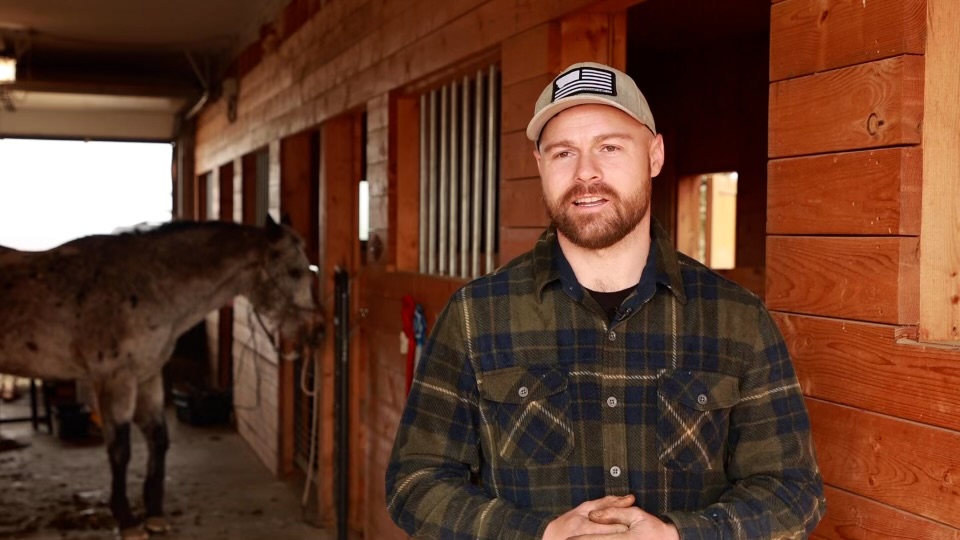
Image 1 Caption: SD 39 Senator Wylie Galt
Image 2 Caption: HD 78 Representative Randyn Gregg