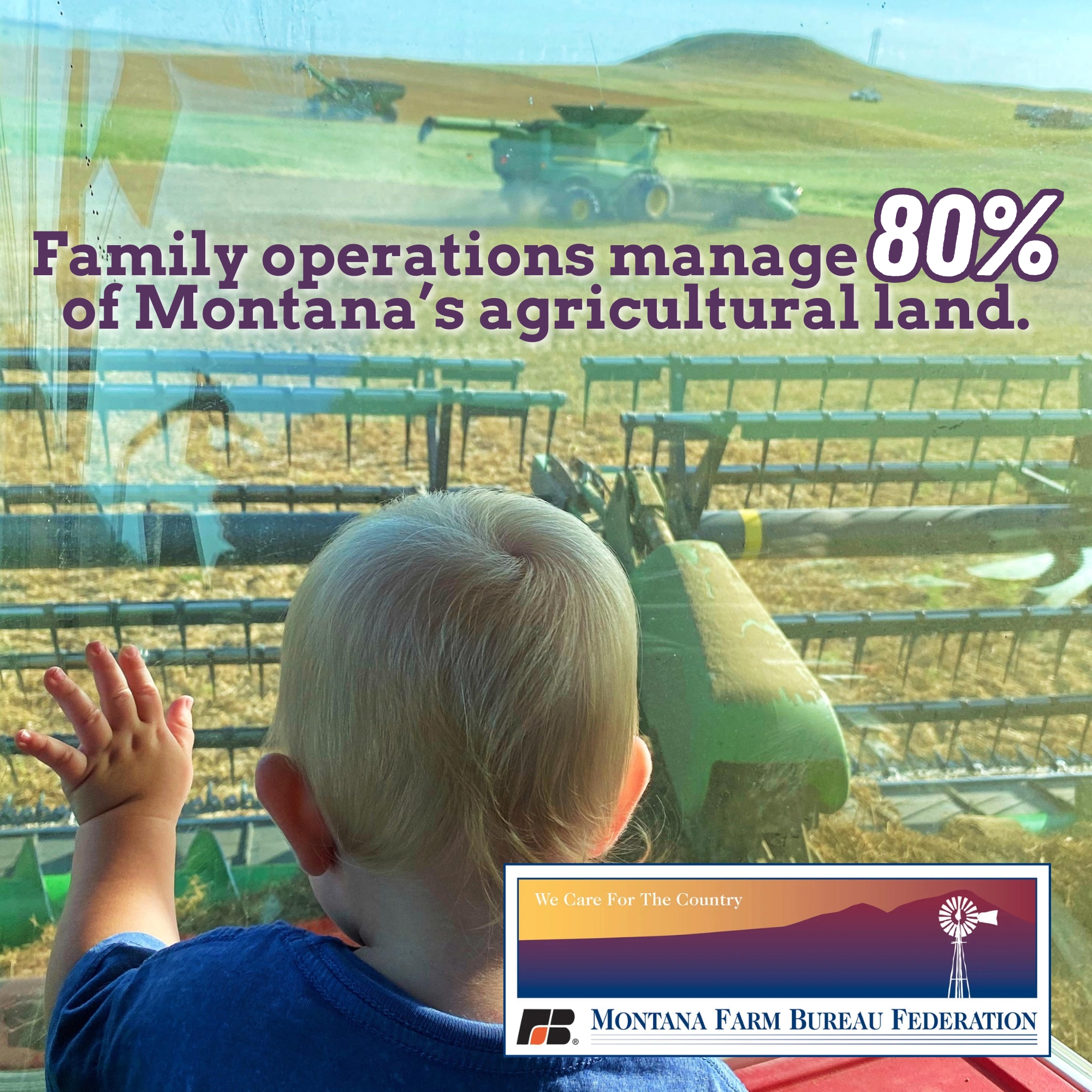
AG WEEK IS MARCH 16-20
Author: Broadwater County Farm Bureau
Article Published: 03/20/2026 Volume: 4 Edition: 37AG WEEK IS MARCH 16-20
Broadwater County Farm Bureau
This week has been designated Ag Week to recognize the importance and contributions of agriculture to our nation and communities. Next Tuesday, March 24, is National Ag Day.
Agriculture is both an industry and a way of life. Broadwater County, located between the The Elkhorn and Big Belt Mountain ranges was established in 1898 largely based on its thriving agricultural economy. As soon as the gold rush to Montana began in the 1860’s, farmers and ranchers arrived to begin their work to feed the rapidly growing mining communities and associated military posts. Many families here trace their roots to enterprising folks who set up farms and ranches during gold rush days. In a testament to their hard work and tenacity, a good percentage of ranches in Broadwater County are still operated by their descendants. In spite of many changes over the past century and a half, agriculture remains the mainstay of our local culture and economy.
In 1867, there were 67,000 beef cattle in all Montana; today there are over 16,000 just in Broadwater County. There were 1,000 hogs in the state in 1866-67. In the early 20th century, Montana was home to an estimated 6 million sheep! Today, Broadwater County is home to over 3000 sheep and lambs, home to one of the few large sheep ranches left in Montana. The early agriculturalists here raised wheat, oats, barley, and hay for cash crops. Today our top cash crops are hay, wheat, barley, potatoes, and seed crops. Several early-day orchards and vegetable farms provided food for Broadwater and Meagher Counties. In addition, there were a number of dairies and poultry producers. Today we have one commercial dairy. Several families offer local produce for sale. Sugar beets were a significant crop in the county until the 1970’s. Prior to World War II, peas were a big crop; the former Zipp’s Tire building was once the pea processing plant.
Our county experienced a unique loss of productive agricultural land and numerous ranches when Canyon Ferry Reservoir was filled some 70 years ago. Some of the productive land loss was offset by the development of widespread irrigation in the Crow Creek Valley to replace the lost productive acres in the Canton Valley. Numerous families “pulled up their stakes” and resettled in other parts of Montana to continue their agricultural living. Other families moved to the Crow Creek valley to take advantage of the new irrigated farming opportunities there. Agriculture continues to be the primary economic driver in Broadwater County, closely followed by tourism and recreation.
Today, 585 Broadwater County residents are listed in the agricultural census as producers. 366 of them are younger than 65 years old. These folks are producing food and fiber on 464,721 acres of land. They are producing food for local consumption on small acreages. They are cowboys working cattle on vast areas. They are the operators of high-tech equipment planting and harvesting crops faster and more efficiently than ever before. The next sweater you buy may contain wool from fleece from our local wool producers. Farmers and ranchers are the backbone of our local economy. They are dedicated supporters of our local schools, health care facilities, and main street businesses. You know many of them. Ag Week is your chance to show them your appreciation.
Article Images
Click on Image Thumbnail(s) to view fullsize image
PhotoCredit: Montana Farm Bureau