Top Montana News for 2025 and What To Expect in 2026
 | Author:
Amanda Eggert, Montana Free Press
Montana Free Press |
Article Published: 01/02/2026 Volume: 4 Edition: 26Top Montana News for 2025 and What to Expect in 2026
Amanda Eggert
Montana Free Press
Data centers, grizzly bears and wild weather are on the horizon for 2026.
This article was originally published in the Montana Free Press and is published here courtesy of the Montana Free Press. https://montanafreepress.org/2025/12/29/the-year-in-montana-environment-climate-public-lands/?utm_source=ActiveCampaign&utm_medium=email&utm_content=Montana%20Free%20Press%20stories%20available%20for%20republication%3A%20%20TODAY&utm_campaign=RSS%20Republication%20Email
As 2025 closes out, Montana Free Press reporters are reflecting on the work they’ve done over the course of the year — and what they expect to be writing about heading into 2026.
When people ask what I report on for Montana Free Press, I have a stock answer: water, wildlife, energy, climate, land use and public land management. It’s a chaotic beat in a normal year: I might chase down judicial orders on Endangered Species Act litigation one day, wade through energy utility filings the next and close out the week by reporting on a proposal to pull rare earths from one of the country’s most infamous toxic pits. This year? With the Montana Legislature in session and a federal administration change, this year was an especially chaotic year.
The 2025 Montana Legislature engaged with issues of biennial concern, such as exempt wells, as well as more recent developments such as the Held v. Montana constitutional climate ruling the Montana Supreme Court issued last December finding that the young plaintiffs’ right to a “clean and healthful environment” for present and future generations also includes the right to a “stable climate system.”
Unsurprisingly (to me at least!), there are now lawsuits related to both of those issues. This December, more than a dozen of the Held v. Montana plaintiffs challenged the Republican-controlled Legislature’s changes to environmental and climate laws, arguing they don’t go far enough to protect their court-recognized rights. The month before, a diverse coalition of groups sued over something the Legislature didn’t do: revise water policy to protect senior water-right holders and conservation protecting healthy aquatic ecosystems. The Montana League of Cities and Towns and its coalition of co-plaintiffs faulted lawmakers for failing to rein in a loophole residential developers have relied on for decades to appropriate billions of gallons of groundwater for rural residential developments.
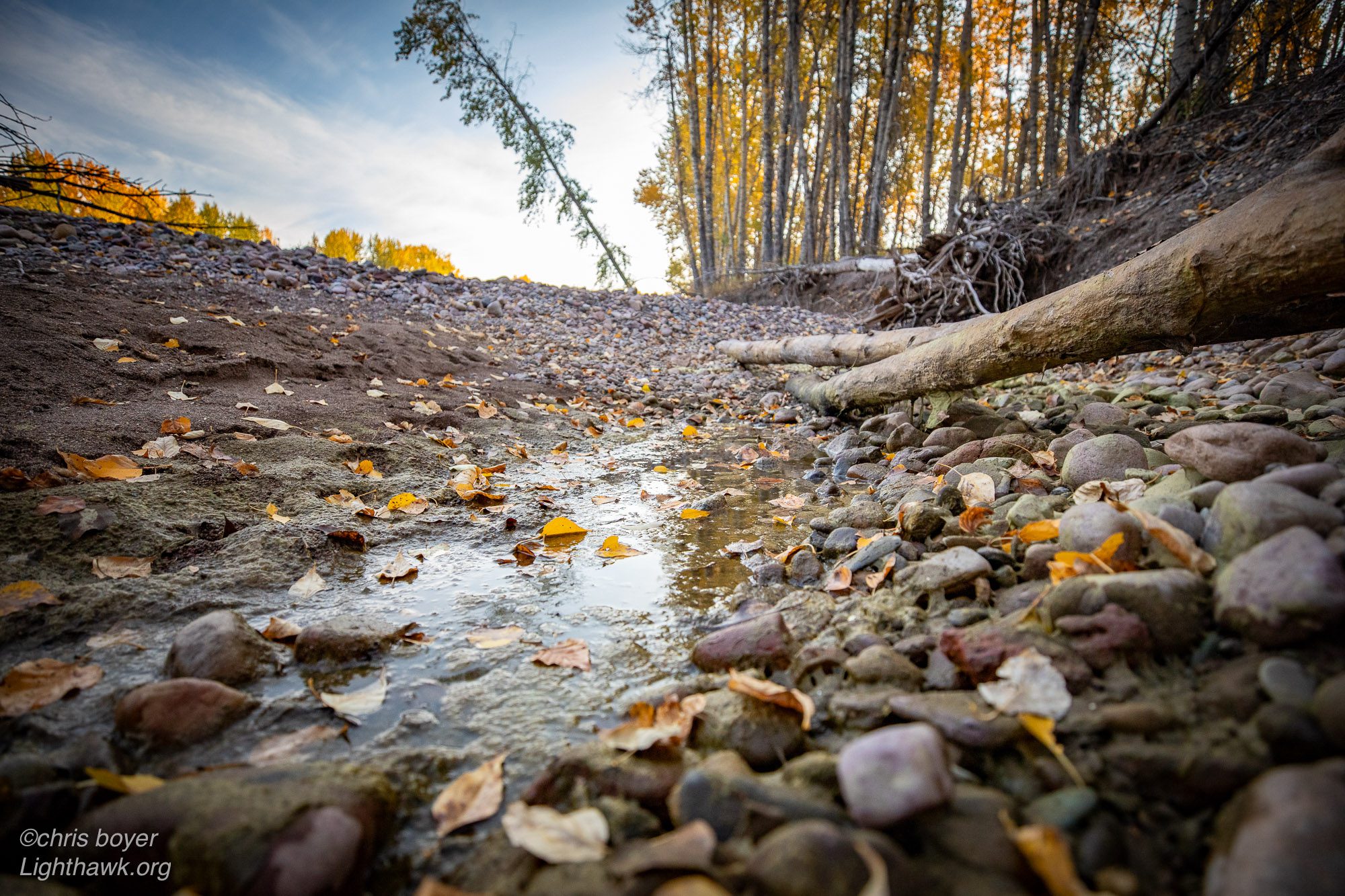
Other stories that made waves in Montana this year include a lawsuit that seeks to protect instream flows on blue-ribbon fisheries amid record-low streamflows documented in several western Montana rivers. I also covered a highly unusual enforcement action the state’s water-right regulator took against a luxury golf course development in the Shields River Valley and the U.S. Supreme Court’s decision not to take up an appeal of a Wyoming case regarding whether corner-crossing is an act of trespass, a decision closely watched by hunters and access advocates in Montana.
In the midst of all this, the Public Service Commission, the elected utility board that wades through reams of dry regulatory documents, managed to keep their meetings spicy in 2025 with plenty of fiery interpersonal conflicts. Along the way, the commission made some major decisions that are a big deal for the two-thirds of Montanans served by NorthWestern Energy, the state’s largest utility.
I expected major changes to environmental policy at the federal level this year, but I was taken aback at how swift and sweeping they were as President Donald Trump moved to undo many of his predecessor’s energy and water quality prerogatives regarding coal mining, power plant emissions, water quality standards and open-space initiatives.
Finally, MTFP also reported on the Custer Gallatin National Forest’s decision in January to authorize the controversial land swap in the Crazy Mountains, fallout from mass Forest Service layoffs and the rollback of the ‘roadless rule’ designed to protect intact wildlife habitat.
WHAT’S ON THE HORIZON IN 2026?
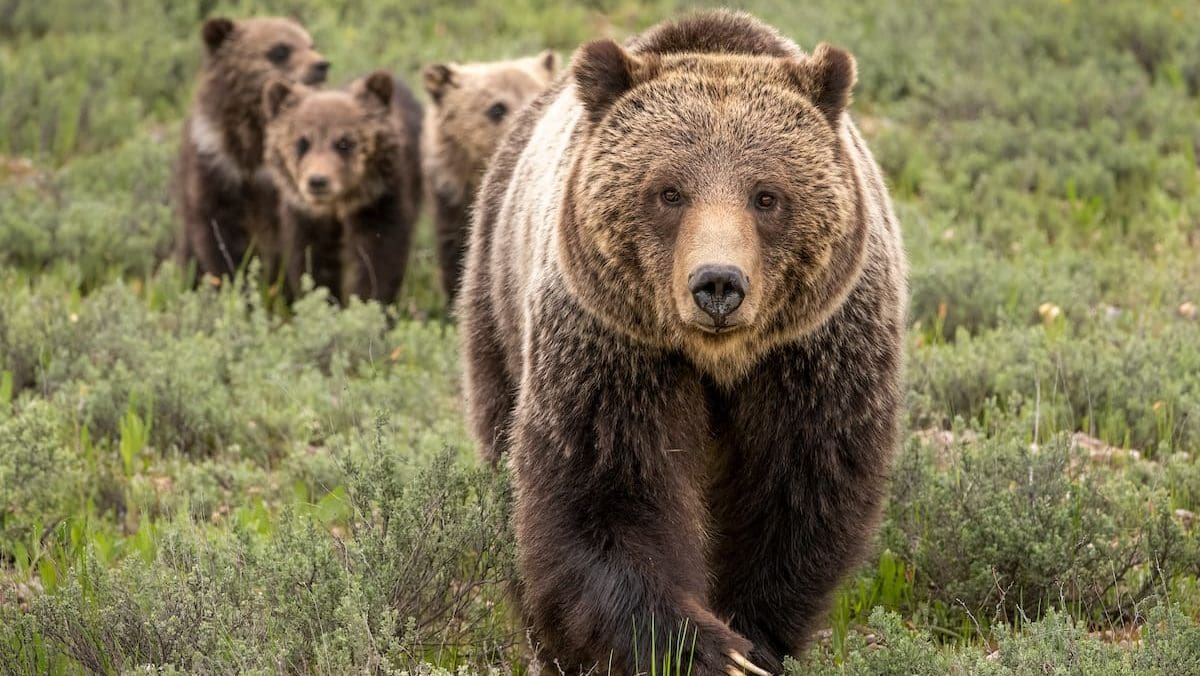
2026? There are three big issues on my radar for 2026. I expect that data centers will play a starring role in energy and water discussions in the coming months. By the year’s end, I anticipate the U.S. Fish and Wildlife Service will attempt to remove federal protections for grizzly bears, which is a big deal for other wildlife in their midst and a range of land-management decisions. Finally, I’ll note that I’m writing on a rainy late-December evening, a week after temperatures in Bozeman reached 61 degrees and two weeks after a deluge of rain inundated Lincoln County, prompting multiple disaster declarations and leading to tens of millions of dollars of damage. I am, unfortunately, bracing for our warming climate to generate similar weather aberrations in 2026.
Article Images
Click on Image Thumbnail(s) to view fullsize image
PhotoCredit: See captions. Logo for online view only.
Image 1 Caption: Logo
Image 2 Caption: Stretches of the Upper Blackfoot River dried up completely amid a persistent drought centered over west-central Montana in 2025.
Photo Credit: Chris Boyer, LightHawk.org
Image 3 Caption: This December, more than a dozen of the Held v. Montana plaintiffs challenged the Republican-controlled Legislature’s changes to environmental and climate laws, arguing they don’t go far enough to protect their court-recognized rights
Photo Credit: Thom Bridge, Independent Record
Image 4 Caption: By the end of 2026, I anticipate the U.S. Fish and Wildlife Service will attempt to remove federal protections for grizzly bears.
Photo Credit: Charlie Lansche
_1.png)